The same BOTOX that smooths facial wrinkles also prevents the muscle contractions that can trigger migraines. Now you can receive BOTOX for migraines at Migraine Relief Center.
BOTOX, highly diluted botulinium toxin, works to prevent migraine by blocking the release of a chemical in muscle cells that transmits the signal to contract to muscle fibers. Research into using BOTOX to treat migraines began after patients receiving it for other conditions reported improvement in their migraine symptoms. In 2010, after years of research and collecting clinical data, the FDA approved BOTOX for treating chronic migraines.
BOTOX is administered about every three months, and must be injected at the site of each nerve trigger, relaxing the surrounding muscles so that they won’t compress the nerve and trigger a migraine. It is a potent drug, and we only recommend using it if other preventative treatment options haven’t helped you. It is generally only administered to patients who have at least 14 headaches a month, or don’t respond to other treatments.
In the mid-1990s, people who received BOTOX for other conditions reported improvement in their chronic migraine pain. A two-phase study was conducted, treating patients who averaged 20 headache days a month. They received BOTOX injections every twelve weeks for 56 weeks. At the end of that period, 70% of the patients had fewer than half the number of headaches they had before treatment. The FDA officially approved BOTOX to treat chronic migraine in October of 2010. Since then, more than 100,000 patients have been treated.
BOTOX, or Botulinum Toxin Type A, disrupts the normal function of the neuromuscular junction, blocking the release of acetylcholine, a neurotransmitter. Researchers believe that by blocking acetylcholine, BOTOX disrupts pain pathways. Research continues to discover the exact mechanism that makes BOTOX so effective on chronic migraine pain.
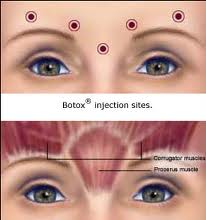 The Migraine Relief Center’s physicians will recommend the step from medication to BOTOX if you haven’t gotten relief from other treatments. They’ll look at your symptoms and history, including any past BOTOX treatment, and any medications you take. You may need an ultrasound to identify the best location for injection.
Depending on your symptoms, BOTOX may be injected into
On average, each BOTOX treatment requires 32 injections, though individual patients may require fewer or more. You’ll receive injections every twelve weeks, and each session only takes a few minutes. BOTOX begins to work as soon as it’s injected, and you should see full results within a week of your first injections. Most patients who benefit from BOTOX treatments receive five rounds of injections over 15 months. BOTOX is injected using a very fine needle. Most patients describe it as feeling like a tiny pinprick.
The effects of BOTOX are temporary lasting in duration from weeks to months.
Please note, there are no guaranteed results with BOTOX and results may vary from patients to patient. Though BOTOX is not effective for all types of headaches, about 90% of MRC’s patients report that their migraines are less frequent and not as severe after BOTOX treatment. In clinical trials, patients reported seven to nine fewer headaches per month. In a study by A. H. Elkind, P. O’Carroll, A. Blumenfeld, R. DeGryse, and R. Dimitrova, a standard course of treatment brought patients these results:
After two treatments, patients reported that they had up to nine fewer headache days a month.
One of the most beneficial uses of BOTOX\for migraines is that it can serve as an indicator of how effective migraine surgery might be for you. BOTOX stops contracting muscles from irritating triggering nerves. If that gives you relief, you may benefit from surgery to “free up” pressure on those nerves. Using BOTOX may also help identify which nerves could be triggering your migraines, making surgical intervention more targeted.
Even if you’ve never considered surgical intervention to relieve your chronic migraines, if you consistently respond well to BOTOX, it may indicate that surgery could be a good treatment option for you to discuss with your Physician.
BOTOX can have side effects, such as bruising, discoloration and skin lumpiness. See more information on other possible side effects below.
Allergan, manufacturer of BOTOX, includes additional safety information, including:
BOTOX may cause serious side effects that can be life threatening. Get medical help right away if you have any of these problems any time (hours to weeks) after injection of BOTOX®:
See additional safety information here.
You’ll receive only as much BOTOX as necessary to give you relief, and low doses cost less than higher ones. The total cost of an injection session can range from $200 to several thousand dollars.
Most insurance providers now recognize BOTOX as treatment for migraines. Some have specific criteria that patients must meet, or require documentation that you have gone through other treatment protocols before trying BOTOX. It can take several weeks to receive authorization to begin treatment. Check with your insurance provider to make sure you fulfill their requirements, and to begin the approval process.
BOTOX offers a Savings Card that can help you recover any treatment costs that your insurance doesn’t cover. Most patient with non-subsidized insurance will pay nothing out-of-pocket. Find out more and enroll on the BOTOX website.